 EN
EN


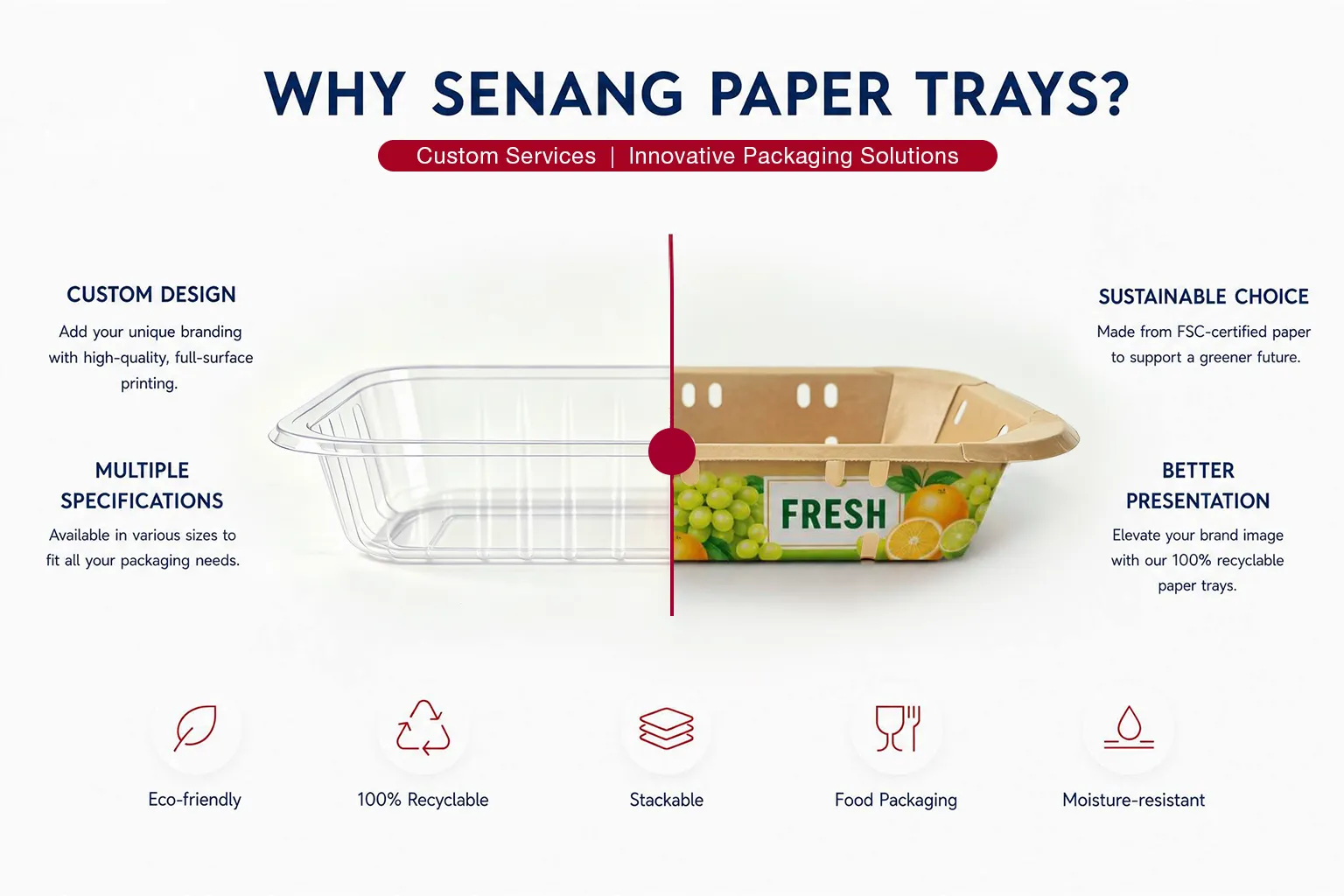
הערך של אריזות נייר למוצרים טריים עובר את ה"הפחתת פלסטיק"; הוא כולל גם את עקיפת החומר, העיצוב לשימוש חוזר, התאמה לשרשרת הקרה והצגת מידע על המותג. עבור מותגים של פירות, ירקות, תותים ופטריות שמתכננים להיכנס לשוק האירופי, שדרוג האריזות צריך להתבסס על התקנות של השוק היעד ועל הצרכים המוחלטים של המוצר, ולא רק להחליף את כל אריזות הפלסטיק בסוג אחד של חומר נייר.
ה-PPWR הוא ראשי תיבות של תקנות האיחוד האירופי בנוגע לאריזות ולפסולת אריזות. התקנות הללו מתמקדות בדרישות כגון הפחתת כמויות האריזות, עיצוב לשימוש חוזר, בטיחות החומר, תוויות לסוגי המחזור והשימוש החוזר.
לפי הדף הציבורי של המועצה האירופית, הוראת PPWR נכנסה לתוקף ב-11 בפברואר 2025 וחל על אריזות רלוונטיות הנשקלות בשוק האיחוד האירופי החל מ-12 באוגוסט 2026. המועצה האירופית מדגישה גם שעד שנת 2030 כל האריזות חייבות להיות ניתנות למחזור, ועיצוב האריזות חייב לאפשר לחומרים להיכנס לשלבים הבאים של שימוש חוזר או מחזור לאחר השימוש.
זה לא אומר ש'כל קופסאות נייר הן תואמות באופן אוטומטי', וגם לא ש'כל אריזת נייר יכולה להחליף ישירות פלסטיק'. האם האריזה עומדת בדרישות תלוי בסוג הקרטון, בציפויים, בחיבורים, בדיו, בסרטים לסגירה, בבטיחות מגע עם המוצר ובמערכת המחזור של המדינה היעד.
עבור מותגים של ירקות ופירות טריים, עיצוב תואם צריך להיות חלק מהשלב הראשוני של הפיתוח – עוד לפני דגימה – ולא רק הוספת מידע על מחזור לאחר השקת המוצר.
אריזות מבוססות נייר זכו ל תשומת לב, מצד אחד בשל תקנות ויעדי המותגים לצמצום פלסטיק, ומצד שני בשל התשתיות הקיימות לסורוק והמאפיינים החומציים של החומר.
נתונים ציבוריים מהסוכנות האמריקאית להגנת הסביבה (EPA) מראים כי שיעור הסורוק הכולל של נייר וקרטון בארצות הברית היה 68.2% בשנת 2018. מבין אלה, שיעור הסורוק של קופסאות קרטון גליים היה 96.5%. יש לציין כי שתי הספרות הללו מתאימות לקטגוריות סטטיסטיות שונות – "נייר וקרטון בכלל" ו"קופסאות קרטון גליים" בהתאמה – ולא ניתן לפרשן באופן ישיר כמשמעות שהאריזות הנייריות למזון טרי יכולות להשיג את אותו שיעור סורוק.
באירופה, 4evergreen מדווחת באופן פומבי על שיעור הסיבוב של אריזות מבוססות נייר כ-87% וקבעה יעד תעשייתי של 90% עד שנת 2030. 4evergreen מדגישה גם כי תכנון האריזות חייב להיערך בשילוב עם שיטות "תכנון לסיבוב" (DfR) ועם תהליכי הסיבוב הממשיים.
לכן, הביצועים הסביבתיים של אריזות מבוססות נייר אינם צריכים להיערך רק לפי המונח "נייר", אלא גם לקחת בחשבון:
1. האם המבנה הניירי המשומש מתאים למערכת הסיבוב היעדית;
2. האם חיפויים, דבקים או סרטים לאטומים משפיעים על הבחנה והפירוק מחדש;
3. האם האריזה מזוהה בקלות על ידי הצרכנים ומושלכת כראוי;
4. האם במיקום המוצר קיימים תנאי איסוף, סינון ועיבוד מחדש רלוונטיים.
חומרים נייריים שונים משרתים פונקציות שונות, ובחר בחומר חייב להתאים למשקל המוצר, לתכולת הלחות שלו, לשיטת ההובלה ולמצבים של תצוגה. להלן סיווג בסיסי המתאים לדיונים בפיתוח מוצרים, ללא הצגת ביצועים שלא נבדקו כפרמטרים קבועים.
1. נייר קראפט: מתאים להדגשת טקסטורה טבעית וזיהוי מותג
נייר קראפט בדרך כלל בעל מראה חום טבעי או לא מבליע, מה שהופך אותו למתאים לקופסאות פירות, קופסאות תותים, קופסאות עם ידיות ואריזות תצוגה למותגים. יתרונותיו בולטים במיוחד ב:
1) הצבע הטבעי של הנייר מתאים לביטוי חזותי של נושאי אורגניות, חקלאות מקוֹמִית (farm-to-table) וקיימות;
2) ניתן להציג את המותג באמצעות הדפסה, כולל סיפור, מידע על המקור, המלצות לאחסון והנחיות לסיכול;
3) מבנים של מוצרים יכולים לכלול פתחי חלון, ידיות, מחיצות או חורים לזרימת אוויר;
4) מתאים לפיתוח בשילוב עם פלטות נייר אחרות או חומרים פונקציונליים.
עם זאת, אם האריזה נוגעת בפירות וירקות בעלי רטיבות גבוהה, קondenציה או מיץ פירות, יש לבצע מבחנים נפרדים בנוגע לשיטות הגנה מפני לחות, הרכב הקידוד והשפעתו על המחזור.
2. נייר גלי: מתאים להגנה בעת השינוע ולמבני קופסאות חיצוניות
נייר גלי מורכב מנייר שטוח ונייר גלי, ושימושו הנפוץ הוא בקופסאות חיצוניות, תיבות משלוח, מבני הפרדה ואריזות הדורשות הגנה מפני הצטברות. העיצוב המבני שלו ניתן להתאמה בהתאם לגודל המוצר, לדרך ההצטברות ולמסלולי השינוע.
סטטיסטיקות ציבוריות של הסוכנות להגנת הסביבה (EPA) מראות שבסך הכל, בשנת 2018, שיעור המחזור של קופסאות קרטון מקופל בארצות הברית היה 96.5%. זה מעיד על בסיס מחזור יחסית מבוגר לקופסאות קרטון מקופל בארצות הברית. עם זאת, זה לא אומר שכל מגשי פירות וירקות נייריים מקופלים או אריזות קרטון מקופל מצופה יכולות להשיג שיעור מחזור של 96.5%. ביצועי המחזור הממשיים תלויים עדיין במבנה האריזה, ברמת הזיהום, בציפוי ובמתקני המחזור המקומיים.
הדרך הנכונה להשוואה היא להעריך את התאימות הכוללת של פתרונות אריזה ספציפיים במונחים של תקנות, פונקציונליות, מחזור ושרשרת האספקה.
ממדים להערכה |
אריזה מנייר |
אריזות פלסטיק |
תקנות |
האם היא עומדת בדרישות לעיצוב ניתן למחזור, בטיחות החומר ולתיוג של מדינת היעד |
סוג הפלסטיק, דרישות תוכן מחוזר, הגבלות על פלסטיק חד-פעמי ותפקידים לפי עיקרון המהוותיות המורחבת (EPR) |
חומרים |
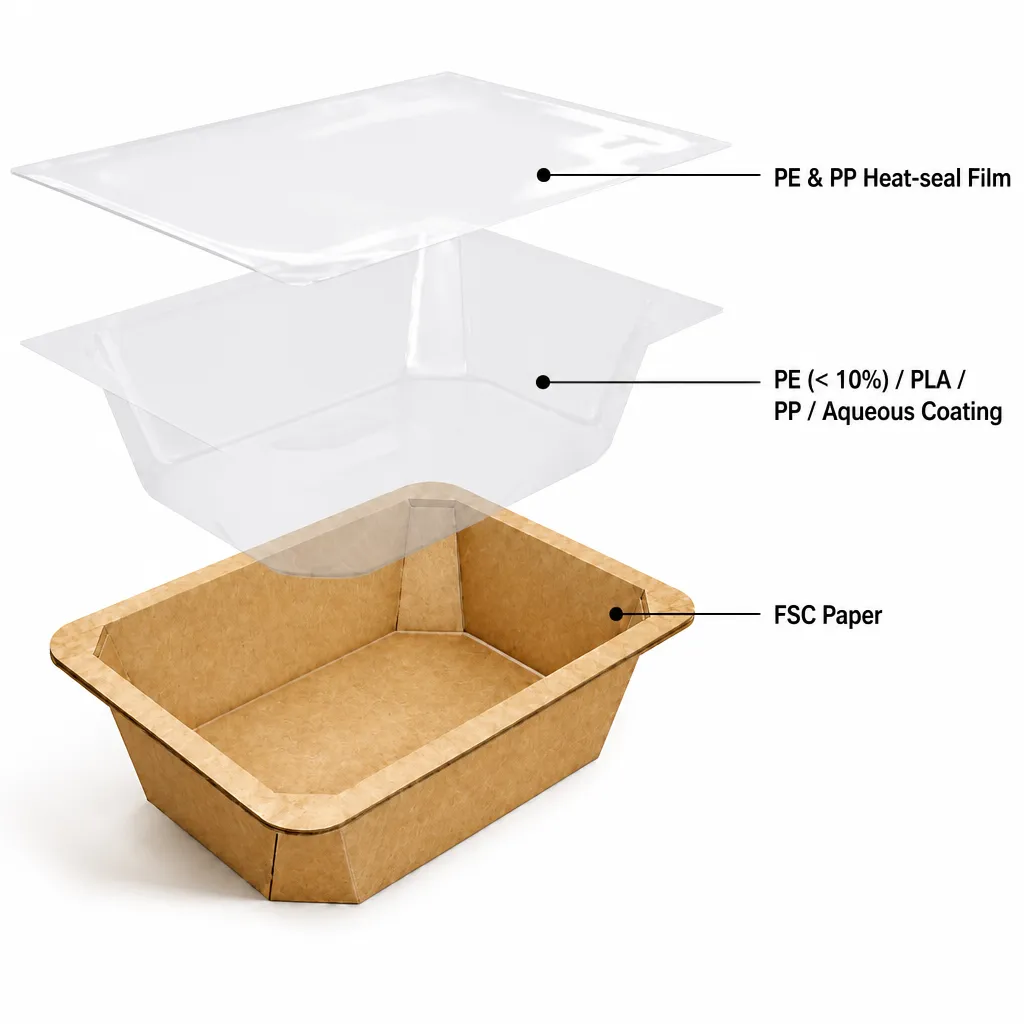
נייר קרافت, נייר מקופל, שילובים מצופים |
שילובים של שכבות פוליאתילן טרפתאלט, פוליפרופילן, פוליאתילן ושכבות מחסום |
תמרות לחות |
הישארות חוזק תחת קondenציה, מיץ ולחות שרשרת הקרה |
תכונות מחסום החומר, ניהול קondenציה וסיווג למחזור |
מבנה |
חורים לאוורור, מפרידים, קצוות מקופלים, ידיות, הצבה והדבקה |
יצירת צורה, סנפסים, הדבקה בחום והתאמה לקווי אריזה אוטומטיים |
מיחזור |
האם המבנה המבוסס נייר יכול להיכנס לזרם המחזור המקומי של נייר |
האם הוא ניתן לזיהוי ולעיבוד מחדש על ידי מערכות הסורтировה המקומיות |
הצגת המותג |
הדפסה על נייר, צבעים, קודים QR והסיפור על המקור |
תצוגה שקופה, תוויות ושיטות הדפסה על פני השטח |
השלב הראשון בעדכון אריזות אינו בחירת חומר מסוים, אלא קביעת תנאי בדיקה למוצר ולשרשרת האספקה.
הבהרת תרחישים לשימוש
1. רישום סוגי המוצרים, משקל כל קופסה בנפרד, טמפרטורת הקירור, זמן ההובלה, שיטת ההצטברות והערוצים למכירה.
קביעת שילובי חומרים
2. התאמה בין נייר קראפט, נייר מקופל וציפויים פונקציונליים בהתאם לדרישות עמידות במשימה, עמידות באדים, צינון, הדפסה וחיתום.
השלמת מסמכי האימות
3. שמירת רשומות על מקורות הנייר, מידע על תאימותו ליציאה במגע עם מזון, פרטים על הציפויים והדבקים, תוצאות מבחני המבנה ונתוני הערכת היכולת לספיגה מחדש של שווקים יעד.
אריזות נייריות למוצרי מזון טריים אינן פתרון חד-חומר; הן מערכת הכוללת חומרים נייריים, מבנה, ציפויים, חיתום ועיצוב להחזרה לספיגה מחדש. הבחירה הסופית חייבת עדיין להתבסס על מאפייני המוצר והתוצאות הממשיות של המבחנים.
למותגים של מוצרי מזון טריים שמתכננים להיכנס לשוק האירופי, הערכת אריזות מראש בהתאם לכיוונים של ה-PPWR בעיצוב ובסורקיות יכולה לעזור להפחית את עלויות ההתאמות המאוחרות וליצור בסיס ברור יותר למסמכים של התאמה לתנאים עבור השקת מוצרים חדשים.
אם אתם מחפשים פתרונות אריזה לפירות, ירקות או בשר טרי, ניתן לקבל המלצות מתאימות לחומרים נייריים ולמבנים על סמך משקל המוצר, תכולת הרטיבות, שיטת ההובלה והשוק היעד.

